
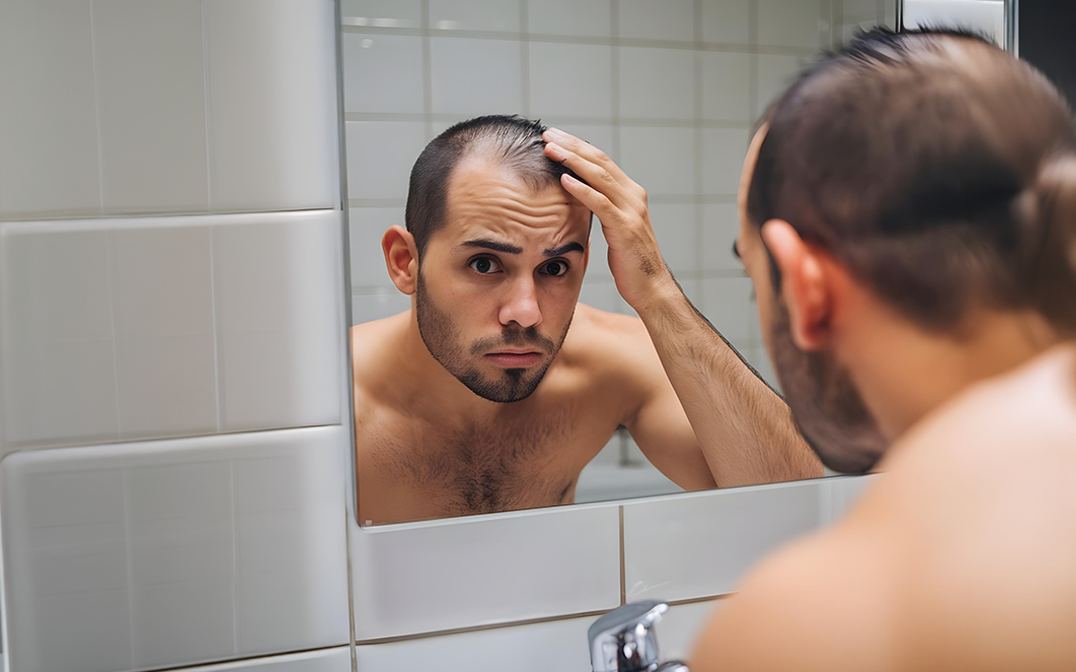
The Ultimate Do’s and Don’ts Guide for Hair Transplant Aftercare
10 Mar 2026Introduction
Hair transplant is a very effective treatment for restoring your hair and confidence. It improves one's overall appearance and helps in people regaining their natural hairline. But, the success of the procedure also depends on taking care of your scalp after your hair transplant and not just on the surgery.
In achieving successful results, proper aftercare plays a very important role. In order to help the transplanted hair grow properly good post operative care is essential. By following the right recovery routine ensures better graft survival, reduces irritations or uncomfortableness, and supports faster healing.
This blog helps you get the best results from your hair transplantation journey by sharing essential do’s, don’ts, recovery timelines and expert advice from Dr Ashok BC.
Why Hair Transplant Aftercare Is Important
The success of hair transplantation results depend directly on your aftercare. The hair follicles are extremely delicate and need time to settle into the scalp once they are implanted.
Proper aftercare helps:
- Protect newly implanted grafts
- Prevent infections and inflammation
- Improve blood circulation to the scalp
- Support faster healing and better hair growth
Not taking proper aftercare after your transplantation leads to poor results, graft damage, and delayed recovery. This is the reason why every hair specialist doctor in Bangalore insists on strict post-procedure care.
What to Expect Immediately After Hair Transplant Surgery
After the procedure, the initial recovery begins within the first 24-48 hours. Your scalp starts the healing process during this time.
You may experience:
- Mild swelling on the forehead
- Redness around the graft area
- Small scabs forming on the scalp
- Slight discomfort or tightness
These symptoms usually reduce within a few days and are completely normal. Extra care is required since the donor and the recipient areas may feel sensitive.
In order to avoid complications and ensure proper healing it is essential to follow the instructions of a reputable hair specialist doctor in Bangalore like Dr Ashok BC during this stage.
Hair Transplant Recovery Timeline
First Week After Hair Transplantation
The scalp begins healing during the first week. Swelling, redness, and scabs are common.
It is important to:
- Take proper rest
- Avoid touching or scratching the grafts
- Use saline sprays and medications as prescribed
People who underwent the hair transplant can return to light daily activities but must avoid strain within a few days.
Weeks 2 - 4 of Recovery
This phase is known as the “shock loss” stage. The transplanted hair may start shedding, which is completely normal.
Scabs fall off gradually, and the scalp begins to look normal again. Light activities can be resumed, but intense physical work should still be avoided.
1 - 3 Months After Surgery
Hair follicles enter a resting phase called the dormant phase. During this time, you may not see visible growth.
This can feel concerning, but it is a natural part of the hair growth cycle. Patience and consistent care are very important during this stage.
4 - 6 Months After Surgery
New hair growth starts becoming visible. Initially, the hair may be thin, soft, and uneven.
Over time, the density improves, and you begin to notice positive changes in your hairline and volume.
6 - 12 Months After Surgery
This is when the final transformation happens. Hair becomes thicker, stronger, and more natural-looking.
By 12 months, most patients achieve better visible results, depending on individual factors. Regular follow-ups help ensure the best outcome.
Recovery timeline leads to stronger, fuller hair growth
Get Expert AdviceEssential Do’s After Hair Transplant
Follow Doctor’s Instructions Carefully
Always follow the post-operative instructions given by your doctor. These are customized based on your scalp condition and procedure type. Skipping medications or care routines can affect results.
Sleep with Head Elevated
Sleeping with your head elevated at a 45-degree angle helps reduce swelling. Use extra pillows and avoid sleeping on the grafted area during the first few days.
Maintain Proper Scalp Hygiene
Cleanliness is very important after hair transplantation. Use a mild, doctor-recommended shampoo after the advised period. Avoid direct water pressure and handle your scalp gently.
Stay Hydrated and Eat a Healthy Diet
Good nutrition supports healing. Include protein-rich foods, fruits, vegetables, and vitamins like biotin and iron in your diet. Drink enough water to maintain proper blood circulation.
Attend Follow-Up Appointments
Regular follow-ups allow your doctor to monitor healing and address any issues early. A trusted hair specialist doctor in Bangalore can guide you throughout your recovery journey.
Important Don’ts After Hair Transplant
Avoid Touching or Scratching the Scalp
Scratching can dislodge grafts and cause infections. Let scabs fall off naturally without interference.
Avoid Smoking and Alcohol
Smoking reduces oxygen supply to the scalp, while alcohol can interfere with medications. Both can slow down healing and should be avoided for at least a few weeks.
Avoid Heavy Exercise and Sweating
Strenuous activities increase blood pressure and sweating, which can affect graft stability. Resume workouts only after your doctor’s approval.
Avoid Sun Exposure
Direct sunlight can damage sensitive scalp tissue. Protect your head when going outdoors, especially during the first few weeks.
Avoid Hair Styling Products and Tools
Hair sprays, gels, dryers, and straighteners can harm newly transplanted follicles. Wait until complete healing before using any styling products.
Common Mistakes After Hair Transplant
Many patients unknowingly make mistakes that can affect their results.
Common mistakes include:
- Ignoring post-operative instructions
- Panicking during hair shedding
- Returning to work or gym too early
- Washing hair too aggressively
Avoiding these mistakes can significantly improve the success of your hair transplantation.
Diet and Lifestyle Tips for Faster Recovery
A healthy lifestyle plays a major role in recovery.
Focus on:
- Protein-rich foods like eggs, fish, and legumes
- Vitamins and minerals for hair growth
- Staying hydrated throughout the day
Avoid smoking, alcohol, and unhealthy eating habits. A balanced lifestyle supports faster healing and better long-term results.
When to Contact Your Hair Specialist Doctor
While most recovery is smooth, certain signs require medical attention:
- Excessive swelling or redness
- Persistent pain or bleeding
- Unusual discharge from the scalp
- Delayed healing or unexpected hair loss
Consulting a qualified hair specialist doctor in Bangalore ensures timely care and prevents complications.
The Role of an Experienced Hair Specialist Doctor
Choosing the right expert is key to successful hair transplantation.
An experienced doctor provides:
- Advanced techniques for better results
- Personalized aftercare plans
- Continuous monitoring during recovery
Dr. Ashok BC is known for delivering patient-focused care and helping individuals achieve natural, long-lasting outcomes.
Conclusion
Hair transplant aftercare is essential for achieving the best results. While the procedure provides the foundation, proper care ensures long-lasting success.
Following the right do’s and don’ts helps protect grafts, speed up healing, and improve hair growth. Patience and consistency are key throughout the recovery journey.
With expert guidance from Dr. Ashok BC, patients can achieve natural, healthy, and confident results from their hair transplantation.
Proper aftercare ensures healthy, natural, long-lasting hair growth
Book ConsultationFAQs
When can I wash my hair after hair transplantation?
After a hair transplant, you should wait 48 to 72 hours (2–3 days) before giving your hair a very mild wash. During this early phase, the scalp might start to recover and the transplanted grafts can secure themselves.
Is hair shedding normal after a hair transplant?
Yes, hair shedding is normal and temporary. It usually starts around 2 to 3 weeks after the procedure and may continue until 2-3 months before new hair begins to grow.
When will I see results after hair transplantation?
Hair transplant results normally occur within 3 to 4 months, as fine, new hairs emerge from the skin's surface.
Can I exercise after a hair transplant?
Avoid heavy workouts for at least 2-3 weeks. Light activities can be resumed earlier if approved by your doctor.
What is the recovery time after a hair transplant?
Hair transplant recovery normally takes 10-14 days for wounds and swelling to heal, with most patients returning to work within 3-7 days.